







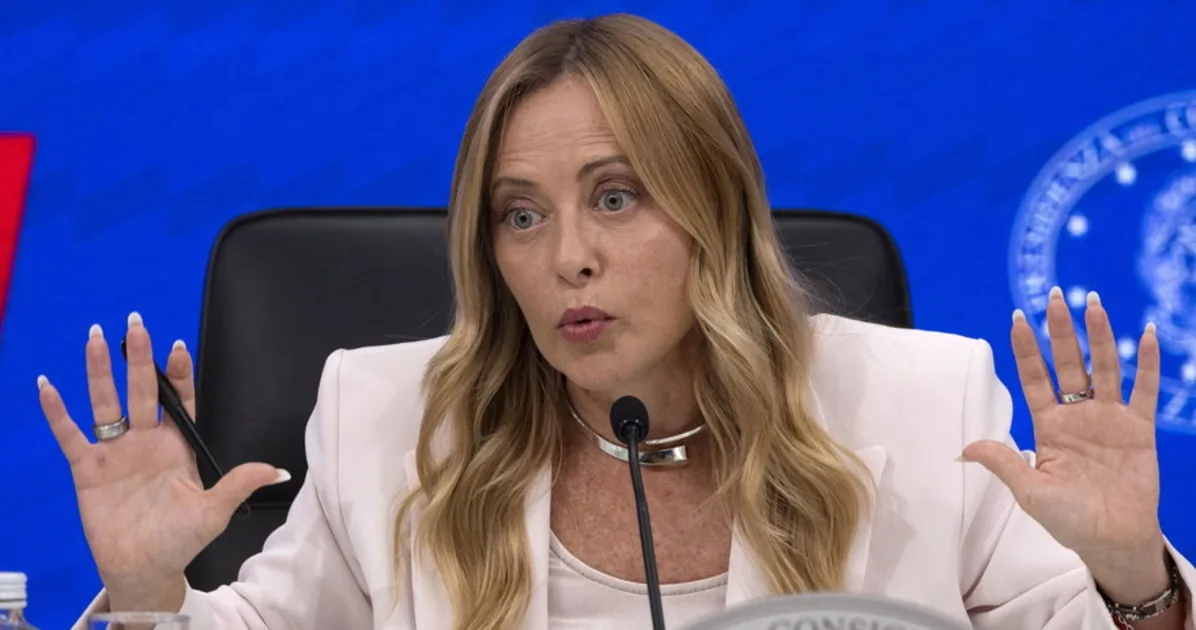
Farewell to the car tax. A pirouette, a flash, a burst of strength, a slalom through opponents to reach the goal. Call it what you want, but Giorgia Meloni’s move to get out of the gasoline price swamp is not something you see every day. Not even Mario Draghi managed it. Stuck with aid for months, the former head of Bankitalia only managed to free himself from the corner at the end of his term, after about seven billion from taxpayers were left at the pump. The very same economist who knew better than anyone how ineffective and counterproductive fuel discounts were. Regressive measures that help those who don’t need it, that push consumption and fuel the crisis and, most importantly, remain essentially intangible. With diesel at 2.2 euros per liter, who thanks the government for 17 cents when filling up?
Read more How Giani sulks: Meloni abolishes the stamp duty? He loses his mind | Libero Quotidiano.it
Not that the alternatives were more appealing. For weeks there has been talk of targeted aid, income-based support, fuel bonuses. Complicated, unfeasible solutions and, as always in Italy, subject to all kinds of fraud. So, here is the idea. To give substance to a center-right flagship, an old, brilliant idea that Silvio Berlusconi failed to realize: abolish one of the most hated taxes by Italians. Discounts on diesel and gasoline continue but are reduced. And from 2027, the levy on the ownership of about 15 million medium and low displacement vehicles (70% of the total) plus all motorcycles will be removed. Estimated cost, 2.3 billion. Practically the same amount spent so far on fuel discounts since the price surge began.
The difference between the two measures is however vast. The abolition of the tax helps those who move on four or two wheels in a concrete and visible way. This not only allows the government to avoid the daily barrage of criticism on its inability to tackle the energy crisis but also marks a clear dividing line between the two camps that will face each other at the polls within a year at most. On one side, as Giorgia Meloni said, “there are those who think about wealth tax, on the other those who cut property taxes.” The statement is far from far-fetched, because the levy on vehicle ownership is one of many existing wealth taxes in Italy that take over 50 billion euros a year from taxpayers’ pockets, starting with property taxes.
Some have already accused the government of launching an electoral measure, with eyes on the vote. It is true, the measure, besides solving a real problem, is also aimed at voters. But here we are not facing a promise in the style of Achille Lauro, with his shoes on installments. This is a foretaste to show what the menu of the coming years will be. A step forward on a path started by the center-right in 1994 and by the Meloni government in 2022. A signal to a conservative and moderate people who perhaps wanted more determination on tax cuts, who were not satisfied with the about 30 billion in tax reliefs made in recent years, the reduction and lowering of Irpef rates (also a historic battle of the center-right), the sharp cut of about 7 points in the tax wedge (compared to 5, only two for workers, for which Romano Prodi is still remembered). The abolition of the tax charts the course for the next budget and the next legislature, where more surprises will come. And it marks a line that is not just a program, but a choice of side.
Read more Car tax, Giorgia Meloni dismantles the left: «It doesn’t only apply for 2027» | Libero Quotidiano.it