






Here we go again. When the Italian left runs out of ideas, it takes the first plane to London. This time not to study British liberalism, which has transformed the United Kingdom into one of Europe’s most dynamic economies, but to import an appeal signed by a group of millionaires – 120 to be exact, including Richard Curtis, who wrote the story of Notting Hill – who are asking to be taxed more. They propose a 2% tax on assets over 10 million pounds.
Read more Bonelli tours Brazil to speak ill of Italy | Libero Quotidiano.it
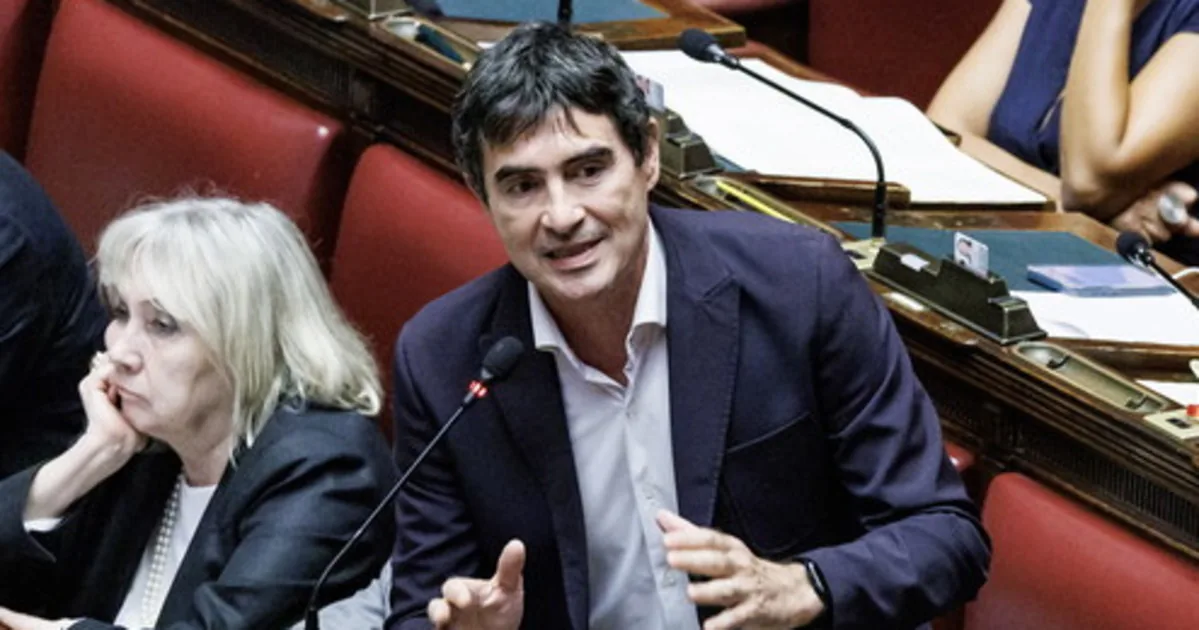
Nicola Fratoianni se fell in love with it instantly. He read the news and, without wasting time, decided to extend the same invitation to Italy’s super-rich. An appeal to their «generosity», so that they accept paying more taxes. «It would be a nice symbolic gesture», says the secretary of Sinistra Italiana. A sign of «solidarity». But also of «social justice».
A curious way of doing politics. If the generosity of billionaires were truly enough, there would be no need for laws, parliamentary majorities, or tax reforms: a petition would suffice. The truth is that this operation primarily has media value. No large fortune is managed with slogans, and no tax system can be built on the hope that the wealthiest taxpayers spontaneously decide to pay more to the State.
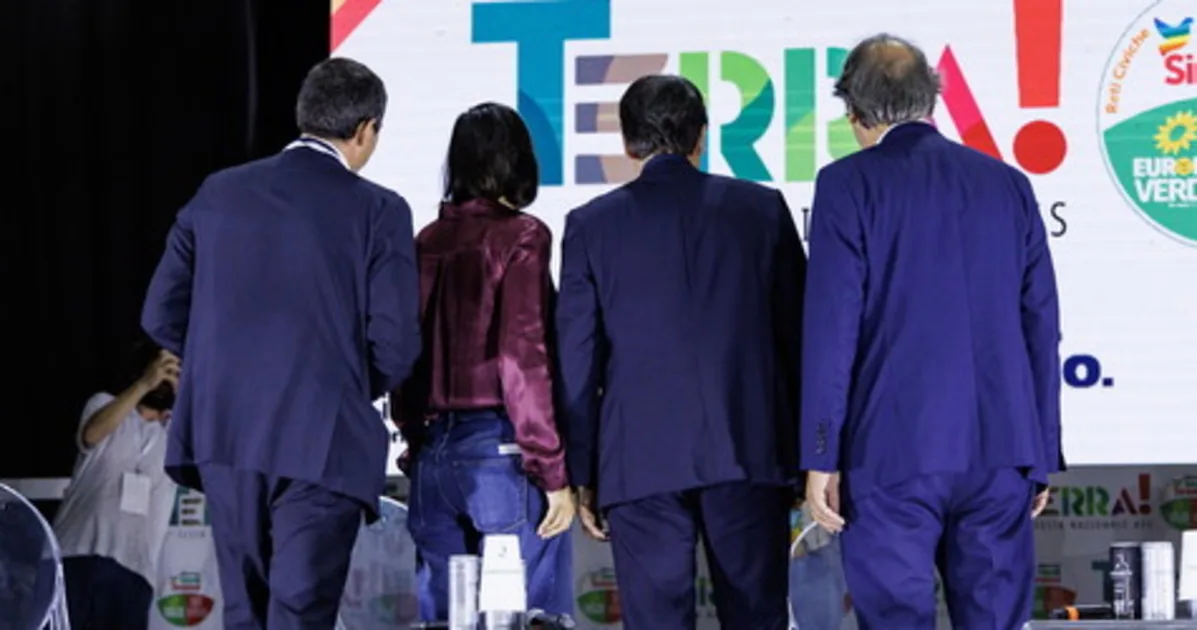
Wealth tax, the left launches the supertax but the room is empty: FdI’s mockery
The broad field talks about the need for a wealth tax in Italy but the audience is empty: it happened…
There is also another aspect that comrade Fratoianni carefully avoids addressing. The United Kingdom and Italy are two profoundly different realities. London is one of the world’s major financial centers and competes daily to attract international capital. Italy, on the other hand, has been struggling for decades with an anemic growth, a tax burden already among the highest in Europe, and a continuous exodus of entrepreneurs, investors, and young talents. To think of copying a proposal born in the British debate without questioning its consequences in the Italian context is the usual ideological reflex: if there’s a problem, the answer is always another tax. But there is also a contradiction that deserves to be highlighted. If there truly are wealthy individuals eager to pay more taxes, nothing prevents them from doing so already today. They can make donations to the State, finance hospitals, universities, research, foundations, social initiatives. No law is needed to be generous. If, however, it is asked that everyone be obliged to pay more, then we are not talking about philanthropy, but about fiscal policy. And this is where the rhetoric of the appeal falls apart.
Ilaria Salis condemned, Fratoianni’s broadside: “For us, this is a fixed point”
“For the Green and Left Alliance, respect for judicial rulings, and even more so for the rights of…”
Because the point is not to convince some billionaire to set an example. The point is to introduce a new wealth tax. Once again, the left demonstrates that it considers wealth not as something to be created, but as something to be redistributed.
The risk is always the same: while assets are pursued with new taxes, those assets change residence. And with them go investments, businesses, jobs, and tax revenue. Economic policy is not built with slogans and sentimental appeals. It is built by creating the conditions for wealth to be produced, not simply divided. It is a difference that Fratoianni & companions continue to ignore.