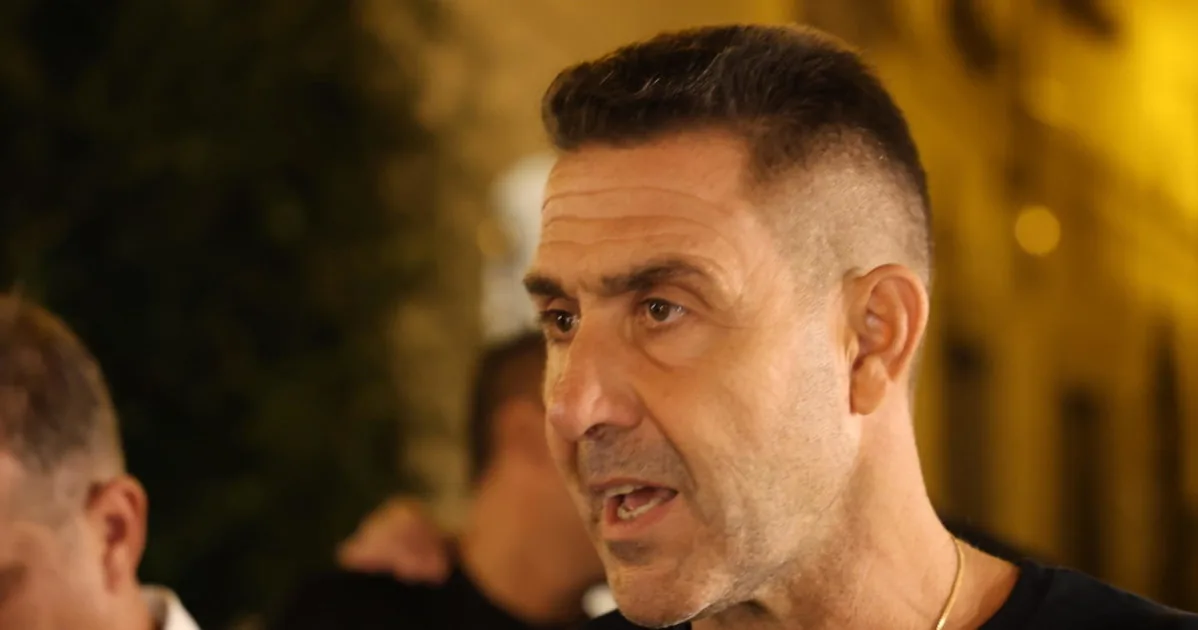


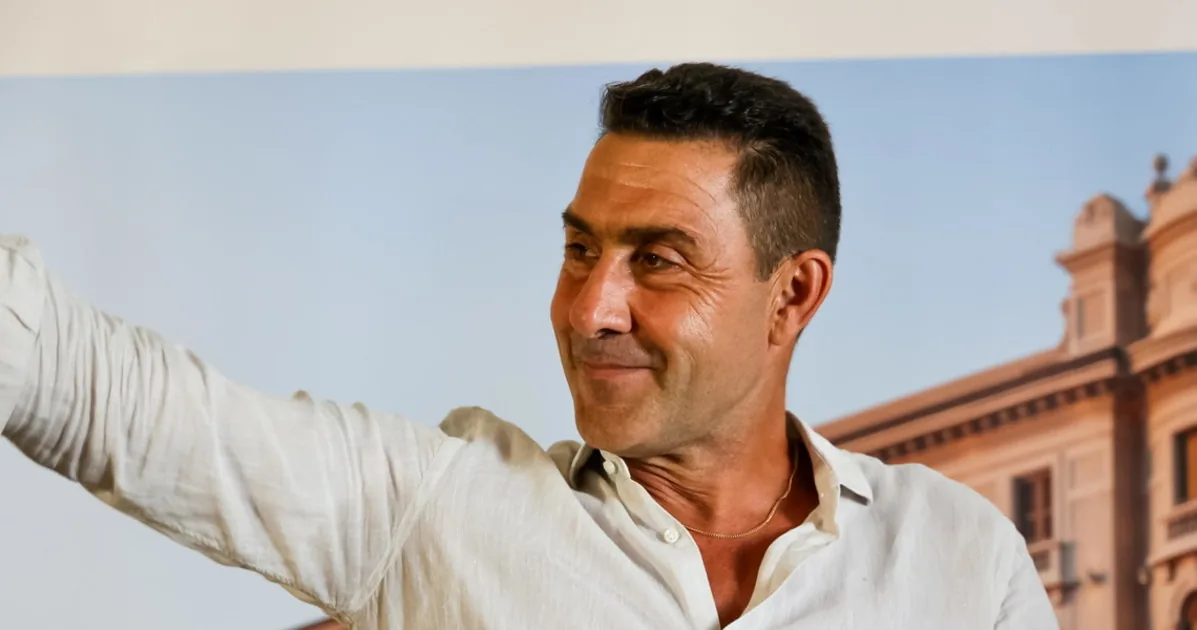
An absurd obsession? A sort of Stockholm syndrome, that is, a perverse psychological dependence and attraction to one’s enemy? Or, more simply, a sly and Machiavellian calculation that turns into a friend whoever hinders your enemy, without going too much into subtleties? The questions, as they say, arise spontaneously when reading the data offered by analyst Lorenzo Ruffino on the presence in Italian newspapers of the most well-known politicians in the last three months. Surprisingly, it turns out that, after Giorgia Meloni, who besides being the leader of the center-right is the prime minister, the most cited Italian politician is Roberto Vannacci. Following, in order, are Conte, Salvini, Schlein, Tajani, and Renzi. How can the exploit of someone who until a few months ago did not even have a party and who, in any case, has not yet faced the polls and can count only on a few defecting deputies from other parliamentary groups be explained?
Read more Sigfrido Ranucci? Not only: who they want to nominate on the left | Libero Quotidiano.it
Of course, polls place him around eight percent, but for the moment these are only voting intentions, probably linked to the novelty represented by his appearance: a bubble that could certainly be confirmed by the vote, but also easily deflate within a year or less, that is, on election day. The fact is that it can well be said that at the current state Vannacci’s phenomenon is mostly media-driven, which is no coincidence since it was created precisely by those newspapers that every day splash on their pages news, comments, analyses, mostly irrelevant, about the general. If one then analyzes which newspapers are most obsessed with Vannacci, it is no surprise that Repubblica, the most hostile paper towards the current government, is in first place.
The will to provoke and embarrass him is all too evident, but it cannot be said that it has so far succeeded in obtaining results: Giorgia Meloni continues on her path without showing hesitation in her judgment of Futuro Nazionale. Among other things, it should not be forgotten that it was the newspaper founded by Scalfari that launched Vannacci in 2023, creating an editorial case around Il mondo all’incontrario, a book that circulated almost “clandestinely” online, accusing him of racism and xenophobia. To celebrate the event, the general even invented a Matteo Pucciarelli Day on the anniversary of the harsh review, named after the journalist who wrote the article! Following, but at a distance, come La Stampa, Corriere, La Verità, Il Fatto, that is, except for the newspaper directed by Belpietro, all papers hostile or critical of the current government.
As is known, a fundamental rule of modern communication is that news is created by talking about it: the more one talks about Vannacci, the more the phenomenon grows in reality. Many forget, however, the other rule to always keep in mind, which is the other side of the coin: media overexposure can ultimately harm. Indeed, once the novelty passes, the risk is that Vannacci also becomes for those who follow him today just another among the many characters animating the media theater that runs daily on our TV screens or fills the pages of newspapers. Paraphrasing Ennio Flaiano, one could say it takes a moment to go from a sure promise to a “usual known,” or, in our case, a “parsley” who appears everywhere playing his predictable part in the comedy.
If we add to this the fact that error or scandal, more or less constructed, is always around the corner for those who are too exposed, it can be said that time certainly does not play in Vannacci’s favor. He, in entering politics, proved good at seizing the moment, that kairos or opportune time the ancients spoke of, but perhaps forgets that human affairs, to put it with Machiavelli, are subject not only to virtue but also to fortune. Andreotti was only partially right: power, especially media power, can wear down even those who have it.
Read more Giorgia Meloni, no UN: she chooses the FdI youth party | Libero Quotidiano.it