







One hundred thirty-two billion and change. Here is the account, underestimated, of the superbonus tax incentive. These are the data from the Ministry of Economy and Finance on the works completed so far, 98.5% of the total. With the famous 110% incentive for wasteful construction at the expense of public coffers, Giuseppe Conte boasts of having revived the Italian economy after Covid. The reality is that the superbonus was a noose with which the former prime minister tied the hands of those who came after him. The measure, which benefited only 4% of Italian properties, mostly those owned by the wealthier classes who could afford to advance the expenses, diverted resources from economic planning capable of producing lasting effects and benefits over time.
DOPING
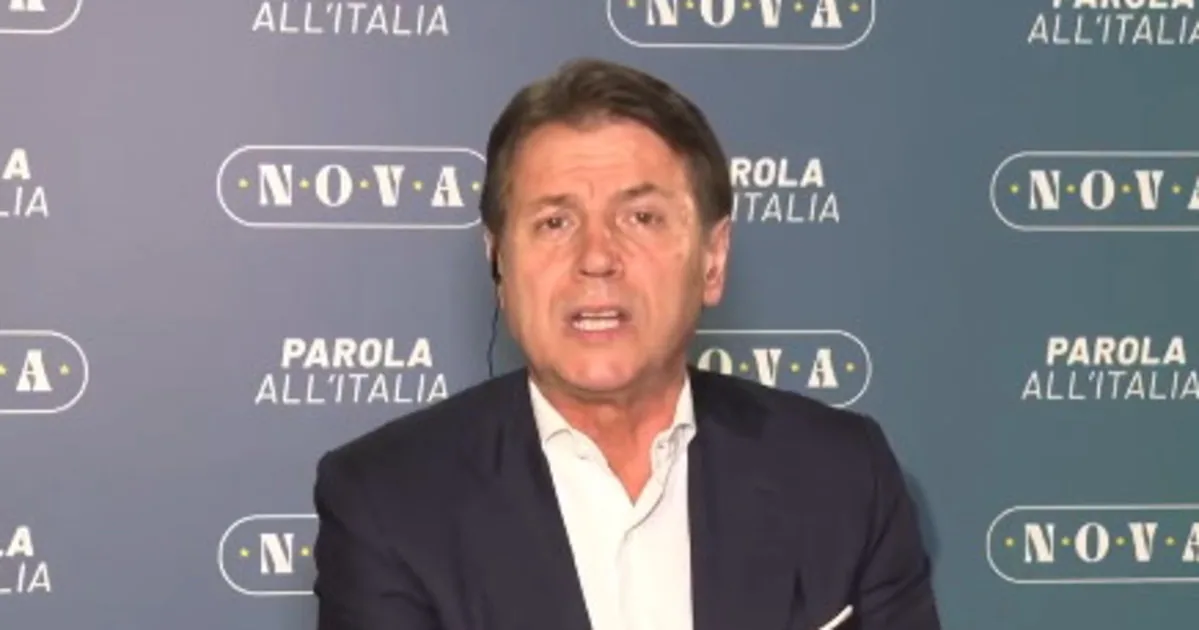
The incentive did what it was programmed for, acting like a doping of the gross domestic product and, by its nature, once exhausted, could leave no other legacy than a state debt to those who benefited from it to increase their personal wealth. We recall this because, now in full election campaign for the primaries of the broad field that, day by day, are moving further away, the M5S leader does not miss an opportunity to challenge the government, even on the economy. In particular, Giuseppi is competing with Elly Schlein in attacks on the high fuel prices, as if, with him at Palazzo Chigi, Donald Trump would not have attacked Iran. “The cost of fuel is out of control and the 17 cents reduction for diesel allocated by Giorgia Meloni is late and ridiculous. A new European PNRR is needed – another debt charged to future generations; editor’s note – for energy and industry and the windfall profits of energy giants and banks must be taxed”: this is the recipe of the lawyer turned economist.
Superbonus, mega-fraud in Grosseto: the millionaire scandal that shakes the M5S
The list of frauds related to the Superbonus, the incentive wanted and designed by the Five Star Movement that weighs on…
MONEY
Too easy, lawyer. From the vast hole of 132 billion, which would be even larger if the current government had not over time reduced the tax credits first to 70%, then to 60%, and to 50%, the former prime minister gives lessons on how to use public money that he has lavishly spread without having it. He portrays the fuel price increase as the worst disaster of the century, which is indeed a serious damage but so far has cost Italians less than two billion and not 132. A figure, that of the superbonus, which quickly rises to 174 billion if the main measure is added to the small but costly bonuses on building facades, for the purchase of appliances, for earthquakes, to eliminate architectural barriers, and for windows and thermal insulation of houses.
Only in a country both forgetful and ideological like ours can it happen that a politician who caused a 174 billion hole, patched with Italians’ money, reproaches those who replaced him for not making enough efforts to compensate taxpayers’ losses at the gas pump caused by a war that broke out on another continent and for which no one here bears any responsibility.
COORDINATED POLICY
As for taxing the so-called windfall profits of oil companies, which is one of the few ideas that Conte shares with Schlein, the Italian government, together with those of Germany, Spain, Portugal, and Austria, has asked the European Union for a coordinated fiscal policy. The two statesmen of the broad field ignore that the choice of a single state would be an own goal, because it would mean sabotaging their own companies by putting them at a disadvantage in unfair competition compared to companies from other EU nations. As long as Brussels does not say yes, the fate is to navigate by sight. The nearest horizon is September 6, when the mobile excise duties decided at the beginning of August will come into effect, a mechanism that links the amount of the levy to the fluctuation of fuel prices: the higher the latter rises, the lower the former falls. After that, it will be up to the year-end budget law to evaluate any special contributions from companies that have particularly enriched themselves thanks to high fuel prices; somewhat like what has already happened with banks.
Superbonus, the shocking comparison with baby pensions: “The greatest economic disaster”
“According to the latest estimates from the MEF, the cost of the Superbonus has exceeded 174 billion euros: almost fif…